Keeping your doors in good shape is important for home security and saving energy. Whether you have a sticky door, loose hinges, or a damaged frame, having the right tools can really help. Let's look at the must-have door repair tools that every homeowner should own. These tools will help you fix your doors and maybe even save some money on small repairs.
Key Takeaways: Essential Door Repair Tools
- Screwdriver Set: For various hardware adjustments
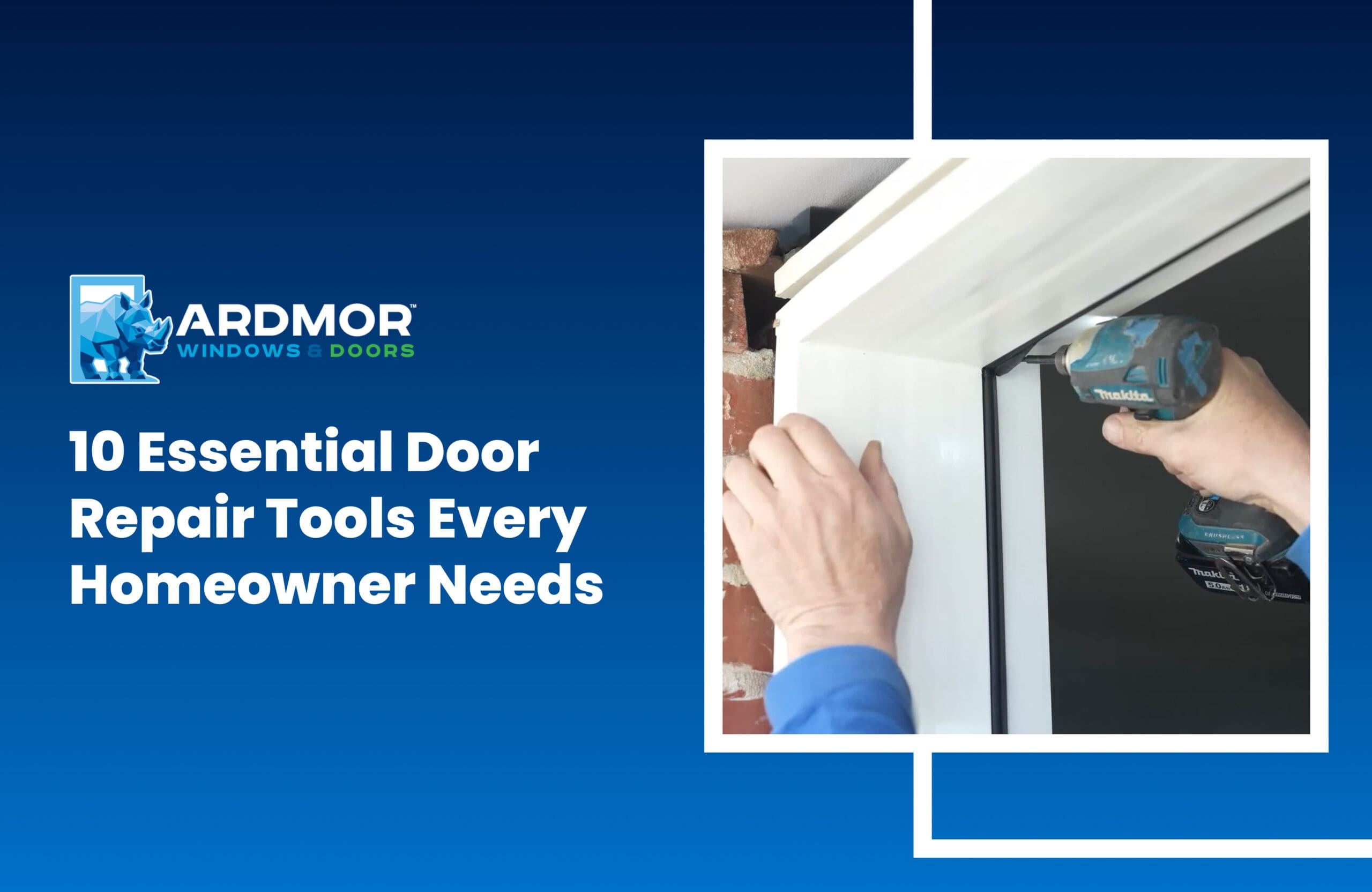
- Cordless Drill: Makes installing and removing hardware faster
- Chisel Set: For precise adjustments to door frames
- Wood Filler and Putty Knife: Fixes small damages
- Utility Knife: For trimming and cutting materials
- Level: Makes sure doors are straight when installed or fixed
- Pry Bar: Helps gently adjust and remove parts
- Sandpaper and Sanding Block: Smooths surfaces
- Caulk Gun and Weatherstripping: Helps save energy
- Safety Equipment: Protects you while working
1. Screwdriver Set: The Basics for Door Repairs
A good screwdriver set is really important for fixing doors. You'll need both flathead and Phillips head screwdrivers for different types of screws. Professional door repair services often use special screwdrivers for small adjustments, but for most homeowners, a regular set works fine. Try to get a set with different sizes to fit all the screws in your door hardware.
When picking a screwdriver set, look for ones that feel comfortable to hold and have magnetic tips to help hold screws in place. This makes fixing doors easier, especially when working on high parts like door frames. You might also want to get a set with changeable tips for more options.
2. Cordless Drill: Power for Door Projects
A cordless drill is really helpful for door repair projects. It makes removing and installing hardware much faster, and it's great for bigger repairs like replacing a door frame. When choosing patio doors, a drill is useful for making adjustments during installation. You can also use it for drilling holes, mixing wood filler, or even sanding with the right attachments.

Look for a drill with different speed settings and a clutch to avoid over-tightening screws. A 12V or 18V drill should be strong enough for most door repairs without being too heavy. Some drills have lights built in, which can be really helpful when working in dark areas around door frames.
3. Chisel Set: Shaping Door Frames
A good chisel set is great for making precise adjustments to door frames. When repairing door frames, you might need to clean out old spaces for hinges or make new ones. Chisels help you remove wood carefully to make sure hardware fits well and doors work properly.


When using chisels, keep them sharp for clean cuts and work slowly to avoid damaging the wood. A set with different widths (1/4", 1/2", and 1") will cover most door repair needs. It's also good to have a sharpening stone to keep your chisels sharp, as dull chisels can damage the door or frame.
4. Wood Filler and Putty Knife: Fixing Small Damages
For small cracks, dents, or holes in wooden doors, wood filler is really useful. With a flexible putty knife, you can easily fix minor damages before they get worse. This is especially helpful when dealing with common door repair issues. Wood filler can also smooth out rough spots in door frames or fill nail holes after changing hardware.
Choose a wood filler that matches your door's color or can be painted over. For outside doors, use a filler that can handle moisture and temperature changes. When using filler, put it on in thin layers and let each layer dry before sanding and adding more if needed. This helps make the repair look smoother and last longer.
5. Utility Knife: Cutting Different Materials
A sharp utility knife is great for trimming weatherstripping, cutting shims, and scoring wood before making cuts. It's useful for many door repair and installation tasks, especially with sliding doors. A utility knife lets you make clean cuts in tight spaces where bigger tools don't fit.
Always be careful with a utility knife and keep extra blades handy. A knife with a retractable blade is safer when you're not using it. Look for knives that feel comfortable to hold to make cutting easier. Some knives let you change blades quickly, which is handy for different cutting jobs.
6. Level: Making Sure Doors Are Straight
A good level is important for making sure your doors are straight. Whether you're putting in a new front door or fixing an old one, a level helps you get it just right. Straight doors work better, save energy, and don't wear out as quickly.

A 24-inch level works well for most door repairs. You might also like a laser level, which can show a straight line across the whole door frame. This is really helpful when putting in several doors or lining up hinges on multiple doors. Some digital levels can even measure angles, which is useful for adjusting how doors swing or finding problems with the structure around the door.
7. Pry Bar: Gently Moving Door Parts
A pry bar helps you remove trim, adjust door positions, or take apart door parts for repair. When working on custom storm doors for old houses, a pry bar can help you carefully remove old hardware without damaging the wood. It's also useful for adjusting door frames, removing stuck doors, and helping install new door frames.
Choose a pry bar with a curved end for better leverage and a flat end for tight spaces. A 12-inch bar is usually good for most door repairs. For more delicate work, you might want a smaller pry bar or a special tool for removing trim. These tools often have wider, flatter ends that spread out the force more evenly, which helps prevent damage to painted or finished surfaces.
8. Sandpaper and Sanding Block: Smoothing Surfaces
Sandpaper and a sanding block are important for smoothing out repairs, getting surfaces ready for painting, or refinishing wooden doors. When fixing or replacing doors, you'll often need to sand down filler or smooth out rough spots. Good sanding makes the finish look professional and helps paint or stain stick better to the door.
Keep different types of sandpaper, from rough (60-80 grit) for removing paint or varnish to fine (220 grit) for finishing work. A sanding block helps spread pressure evenly for a smoother finish. For detailed areas or curved surfaces on fancy doors, flexible sanding sponges or small sanders can be helpful. When sanding, always go in the direction of the wood grain to avoid scratches, and use a special cloth to remove dust between sanding for the best results.
9. Caulk Gun and Weatherstripping: Sealing Gaps
A caulk gun and weatherstripping are important for making your door more energy-efficient and stopping drafts. These tools are especially useful when replacing door sitelights or glass, as they help prevent air and moisture from getting in. Good weatherstripping can really help lower energy costs and make your home more comfortable.


Choose a caulk gun that's easy to use. For weatherstripping, sticky foam tape is easy to put around door frames. Use silicone-based caulk for outside areas because it lasts longer in different weather. When using caulk, use painter's tape to make clean lines and wipe off extra caulk right away for a neat finish. For weatherstripping, measure carefully and cut exactly to make sure it fits snugly without stopping the door from closing properly.
10. Safety Equipment: Staying Safe While Working
Don't forget about safety gear. Safety glasses protect your eyes from wood chips and metal bits, while work gloves protect against splinters and cuts. A dust mask is important when sanding or working with old materials that might have lead paint. Good safety gear protects you from immediate injuries and long-term health risks from dust and chemicals.
Getting good quality safety gear is just as important as having the right repair tools. It helps you work on your doors safely and confidently. Look for safety glasses that protect the sides of your eyes too, especially if you're using power tools. For gloves, choose ones that let you move your fingers easily but still protect your hands. A N95 mask works well for most sanding and painting jobs, but for bigger renovations or when working with potentially dangerous materials, you might want a half-face respirator with special filters.
Conclusion: Fixing Doors with the Right Tools
Having these essential door repair tools helps you handle many door maintenance tasks. From small adjustments to bigger repairs, you'll be ready to keep your doors working smoothly and efficiently. Regular maintenance can prevent many common door problems and make your doors last longer. By fixing small issues early, you can avoid more expensive repairs later and keep your home secure and looking good.
For complicated repairs or when you're not sure about a problem, it's okay to ask professional door repair services for help. They have special knowledge and tools to handle tougher problems and make sure your doors work perfectly. Professional services can also give you good advice on taking care of your doors and might suggest solutions you hadn't thought of.


ARDMOR ADVANTAGE
ARDMOR provides professional window repair, glass replacement, and door installation services across PA, NJ, NY, DE, and other states. As a licensed and insured contractor, we deliver factory-certified installation for Andersen, Marvin, Pella, Oknoplast and other leading brands. Here are the advantages of working with ARDMOR: